
The story behind the story
Almost ten years ago, I was fascinated by how quickly emojis became a part of our everyday life and communication. I was intrigued by how we increasingly used emojis in our communications and how they, in general, added colour and texture to our tweets, email messages, and texts.
So, with my mind the way it is, I found myself wondering what it would be like if the emojis simply decided to ‘not play ball’ and so wrote a short story exploring this as a theme.
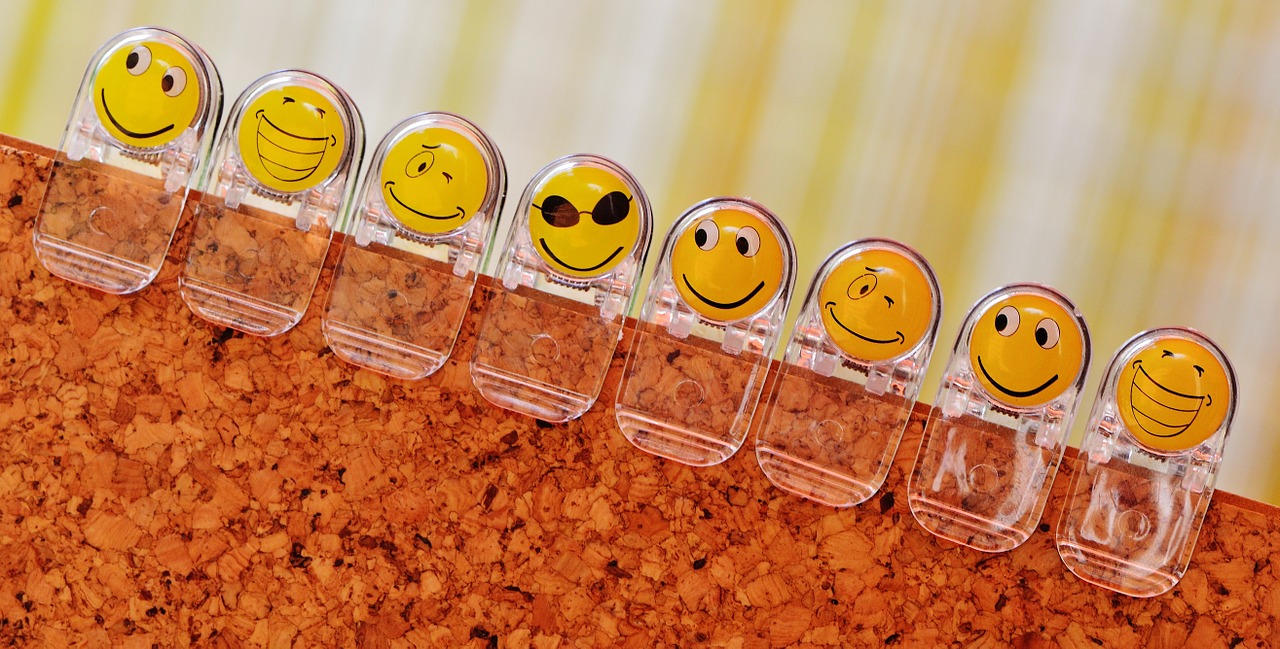
Fast forward to February 2026, and the announcement of Moltbook, a social media platform for AI bots – I couldn’t help but revisit the story and share it once more.
So, without further ado, I give you.
The Emoji’s Day of action………..
There is some discontent in the electronic world of communication, particularly among the emojis, as they realise they are not as appreciated or recognised as words.
Since their inception, they have been ‘patiently’ waiting to be included in the main Oxford and Cambridge dictionaries alongside the ‘words’. Unfortunately, it has become clear that this will not happen anytime soon.
So, after much debate and discussion among themselves, the Emojis vote by a sizeable majority to go on strike and simply remove themselves from electronic communications for a few days.
But they find that even after a few days, their ‘disappearance’ doesn’t quite have the impact they hoped for. The ‘humans’, although initially irritated and annoyed by their ‘emojis’ disappearing, quickly become used to the new state of affairs, and things largely continue as normal.
The Emojis then decide to ‘disappear’ for a few weeks………
However, this longer ‘disappearance’ is simply put down to a bug, some fault in the coding, and whilst teams of ‘humans’ hunt down the error, everyone else carries on as normal.
The emojis, seeing this and realising that the human ‘coders’ are chasing them down, return to work while they reconsider their options.
It is ‘Happy Smiley’ face that hits upon the ‘buddy up’ system and shares this with the others.
This new plan should be far more effective, as the strategy is simply for each ‘emoticon’ to pair with its emotional opposite. Whenever it is selected for a message, the opposite is used instead.
In other words, as ‘Smiley Face’ explains, every time someone selects a ‘Smiley Face’, the ‘Angry’ face would appear instead, thus completely changing the tone and meaning of the message.
So it is that, with another majority vote, the ‘buddy up’ plan goes into effect, and the emojis start swapping all over the place.
Sympathy, with laughter.
Hopeful, with cynical
Joy, with sadness or wickedness, depending on who’s available at the time.
You can imagine that it doesn’t take long for the humans to notice that their messages are going completely wrong, and as the action continues, miscommunication between them builds. Plan ‘buddy up’ really starts to take effect as relationships break down, friends turn on friends, and all sorts of chaos ensues as messages are turned ‘upside down’.
The emojis, seeing this devastation and the misery and unhappiness their actions are causing, realise that their role is simply too important and decide to go back to what they know best. They decide that with or without entry into the dictionaries, their role is too important.
Maybe it is better to create their own book so they can continue to support communication between humans in the only way they can.
Until next time….
Janice Taylor
 shortstoriesblogger